
Beyond the Guidebook: Top tips for discovering offbeat destinations
Are you tired of seeing the same iconic landmarks, battling crowds, and following a rigid itinerary dictated by every popular travel blog? Do you yearn for something more profound, a journey that peels back the layers of a destination to reveal its true heart and soul? Imagine stumbling upon a secluded waterfall known only to villagers, savoring a meal prepared in a local home, or witnessing a traditional ceremony far from any tourist gaze. This is the magic of discovering offbeat destinations – an exhilarating pursuit that promises unforgettable memories and a deeper connection to the world.
As a seasoned travel editor, I’ve had the privilege of venturing beyond the well-trodden paths, and I’m here to share my most cherished strategies for uncovering these hidden gems. Forget the conventional guidebooks for a moment; true adventure lies in the unexpected. Join me as we explore actionable tips to transform your next trip into an authentic exploration, one that truly goes beyond the guidebook.
1. Embrace Local Recommendations
Step-by-Step: Once you arrive, resist the urge to immediately consult your phone. Instead, strike up conversations with locals – your hotel staff, a shopkeeper, a barista, or even a fellow passenger on public transport. Ask them not where tourists go, but where they enjoy spending their free time, where they eat, or what hidden spots they cherish. Be genuinely curious and open to their suggestions, even if they seem unconventional.
Tool/Resource: While not a digital tool, your most valuable resource here is genuine human interaction and a friendly, open demeanor. Learning a few basic phrases in the local language can also dramatically open doors to more meaningful conversations.
The Why: Locals possess an unparalleled understanding of their own backyard. They can guide you to authentic eateries, secret viewpoints, or cultural experiences that no guidebook could ever capture. Their insights offer a direct portal into the heart of a community, providing experiences that are truly unique and deeply personal.
2. Dive into Niche Blogs and Forums
Step-by-Step: Before your trip, move beyond mainstream travel sites. Search for blogs written by expats living in your target region, local history enthusiasts, or even specialized hobby groups (like birdwatching or hiking) in that area. Forums like Reddit, particularly subreddits dedicated to specific cities or countries, can be treasure troves of insider information and real-time advice from residents.
Tool/Resource: Google’s advanced search operators (e.g., “site:reddit.com [city] hidden gems”), travel forums like Lonely Planet’s Thorntree (though less active now, archives are valuable), and specialized interest groups on Facebook or local community websites.
The Why: These platforms are often home to passionate individuals who share incredibly detailed, often obscure, information that mass-market travel guides overlook. You might uncover a tiny, family-run restaurant, a local artisan’s workshop, or a lesser-known hiking trail that offers breathtaking views without the crowds.
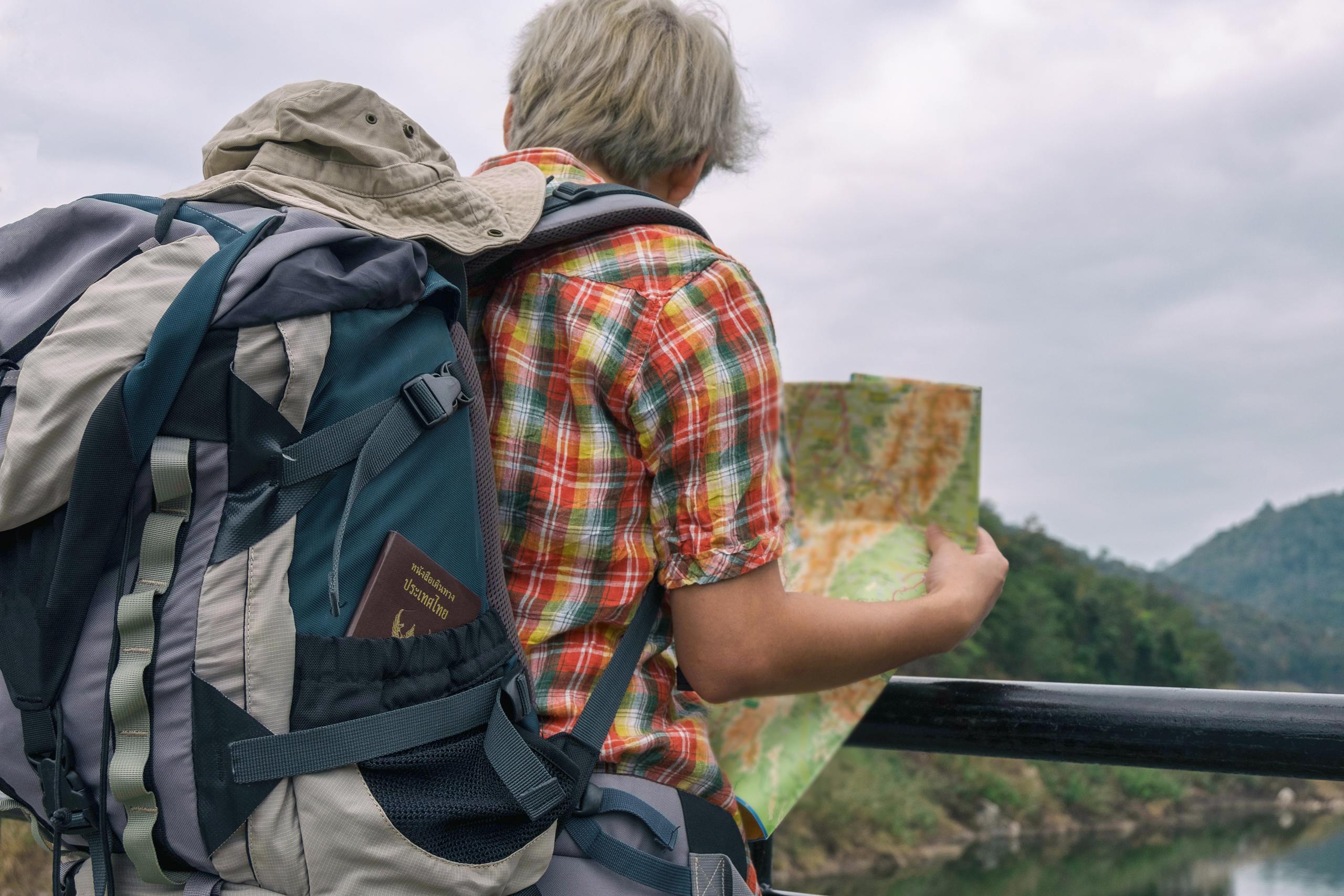
3. Master the Art of Map Exploration
Step-by-Step: Before or during your trip, spend dedicated time simply poring over maps – both digital and physical. Look for areas slightly outside the main tourist zones, noting parks, natural features, or neighborhoods that seem less developed. Zoom in on satellite views to spot interesting architectural details, small markets, or even unique street art. Then, make a point to wander through these areas on foot or by local transport.
Tool/Resource: Google Maps (especially Street View and satellite mode), OpenStreetMap for community-contributed data, and traditional paper maps, which encourage a different kind of spatial awareness and serendipitous discovery.
The Why: Maps are not just for navigation; they are canvases for imagination. By actively exploring them, you train your eye to spot anomalies and potential points of interest that aren’t explicitly marked as tourist attractions. This method encourages spontaneous exploration and often leads to delightful, unexpected discoveries away from the tourist crush.
4. Travel During Off-Peak Seasons
Step-by-Step: Research the shoulder seasons or even the true off-season for your chosen destination. This means avoiding major holidays, school breaks, and the universally popular summer months. While the weather might be less predictable, the rewards are immense. You’ll find fewer tourists, lower prices, and a more relaxed, authentic atmosphere, making it easier to connect with locals.
Tool/Resource: Online weather archives, destination-specific tourism board websites (which often list seasonal events), and flight/hotel price comparison tools that show price fluctuations throughout the year.
The Why: Traveling off-peak drastically alters your experience. With fewer crowds, you can truly soak in the ambiance of a place, engage more deeply with local culture, and often witness daily life unfolding without the overlay of mass tourism. It’s an invaluable strategy for discovering offbeat destinations within even popular regions.
5. Learn Basic Local Phrases
Step-by-Step: Before you depart, commit to learning at least 10-20 essential phrases in the local language: greetings, “please,” “thank you,” “excuse me,” “do you speak English?”, and simple questions like “how much?” or “where is?”. Don’t be afraid to try them out, even if your pronunciation isn’t perfect. Locals almost always appreciate the effort.
Tool/Resource: Language learning apps like Duolingo or Babbel, YouTube tutorials, phrasebooks, and flashcards. Focus on conversational phrases relevant to daily interactions rather than complex grammar.
The Why: Speaking even a few words of the local language is a powerful bridge. It immediately signals respect and openness, often leading to warmer interactions, genuine smiles, and a greater willingness from locals to help or share their insights. This can unlock experiences and conversations that remain inaccessible to those who only speak English.
6. Seek Out Community-Based Tourism Initiatives
Step-by-Step: Look for organizations or tours that are explicitly run by and benefit local communities, particularly in rural or less-visited areas. These might include homestays, cultural workshops led by indigenous groups, or eco-tourism projects that directly support conservation and local livelihoods. Research these initiatives carefully to ensure they are genuinely community-led and ethical.
Tool/Resource: Websites like Responsible Travel, Fair Trade Tourism, or local government tourism boards often highlight these initiatives. Word-of-mouth from other responsible travelers can also be a valuable resource.
The Why: Community-based tourism not only provides incredibly authentic and immersive experiences but also ensures your travel dollars directly benefit the people and places you visit. It’s a powerful way to engage with local culture respectfully and discover unique aspects of a destination that are deeply rooted in its heritage and environment.

7. Follow Your Passions (Food, Art, History)
Step-by-Step: Instead of focusing on general tourist attractions, let your personal interests guide your exploration. If you love food, seek out local markets, cooking classes run by home cooks, or tiny, unassuming eateries. If art is your thing, look for independent galleries, street art tours, or craft workshops. History buffs can delve into lesser-known museums, ancient ruins off the main circuit, or local archives. This specialized focus naturally pulls you into less-traveled corners.
Tool/Resource: Local event listings, specialized online communities (e.g., food blogs, art forums), local university cultural departments, and asking locals for recommendations based on your specific interest.
The Why: By pursuing your passions, you tap into niche communities and experiences that are inherently authentic and often located away from the typical tourist hubs. This deepens your engagement with the destination and allows you to forge connections with locals who share your interests, leading to truly unique and memorable discoveries.
8. Utilize Public Transport Like a Local
Step-by-Step: Ditch the taxis and tourist buses. Embrace local buses, trains, trams, or even shared minibuses (collectivos). This means understanding local routes, purchasing tickets from kiosks, and navigating the system just like a resident. It might take a little extra effort and patience, but the rewards are substantial. Allow for extra time and be prepared for a less polished experience.
Tool/Resource: Local transport apps (e.g., Citymapper, Moovit), physical route maps available at stations, and asking locals or information desks for directions. Google Maps often integrates public transport options effectively.
The Why: Public transport offers a window into daily local life. You’ll observe commuters, overhear snippets of conversation, and see neighborhoods you’d never encounter from a private car. It’s an immersive, cost-effective way to move around, and often leads to spontaneous discoveries of local markets, parks, or cafes far from the tourist trail.
9. Attend Local Festivals and Events
Step-by-Step: Research local calendars for festivals, markets, sporting events, or religious celebrations that coincide with your visit. These aren’t necessarily the big, internationally renowned spectacles, but rather smaller, community-focused gatherings. Arrive early, observe local customs, and participate respectfully. These events are vibrant showcases of local culture and often take place in less-visited areas.
Tool/Resource: Local tourism board websites (check the “events” or “what’s on” sections), community newspapers or online listings, and asking locals upon arrival about upcoming happenings.
The Why: Festivals and local events are where a destination truly comes alive. They offer unparalleled opportunities to witness traditions, taste unique foods, hear local music, and mingle with residents in a joyous, celebratory atmosphere. It’s an incredible way to experience the authentic spirit of a place and create unforgettable memories.

10. Be Open to Serendipity
Step-by-Step: Perhaps the most crucial tip: cultivate a mindset of openness and flexibility. Don’t over-plan every minute of your trip. Leave gaps in your itinerary for spontaneous detours, unexpected invitations, or simply to wander aimlessly. Embrace getting a little lost, trying a restaurant that looks intriguing, or accepting an offer from a friendly local. Some of the best discoveries are made when you least expect them.
Tool/Resource: A flexible attitude, a willingness to step outside your comfort zone, and a sense of humor when things don’t go exactly as planned. A good portable charger for your phone is also wise, just in case “getting lost” becomes a bit too literal.
The Why: The magic of travel often lies in the unplanned moments. By being open to serendipity, you allow the destination to reveal itself to you in its own unique way. This approach fosters a deeper connection with the place and its people, leading to truly authentic and often life-changing experiences that no amount of planning could ever achieve.
Ready to Explore Southeast Asia?
Flight prices to Bangkok change daily. Use the live flight finder below to check the current rates for your travel dates and secure your seat
Enter your preferred travel dates below to compare airlines and find the best budget deals.
Flights from Bangkok
| Destination | Departure at | Return at | Airline | Find tickets |
|---|---|---|---|---|
| Phuket | 29 October 2026 | 31 October 2026 |  | Tickets from 69 |
| Moscow | 19 December 2026 | 17 January 2027 |  | Tickets from 541 |
| Koh Samui | 31 October 2026 | 2 November 2026 |  | Tickets from 96 |
| Phu Quoc | 17 November 2026 | 26 November 2026 |  | Tickets from 106 |
| Chiang Mai | 2 November 2026 | 5 November 2026 |  | Tickets from 77 |
| Da Nang | 31 October 2026 | 4 November 2026 |  | Tickets from 117 |
| Saint Petersburg | 2 November 2026 | 18 November 2026 | | Tickets from 660 |
| Nha Trang | 4 November 2026 | 16 November 2026 | | Tickets from 128 |
| Irkutsk | 31 December 2026 | 27 January 2027 | | Tickets from 422 |
| Krabi | 2 December 2026 | 23 December 2026 | | Tickets from 79 |
| Yekaterinburg | 31 December 2026 | 10 January 2027 |  | Tickets from 759 |
| Vladivostok | 5 November 2026 | 8 November 2026 |  | Tickets from 370 |
| Novosibirsk | 1 January 2027 | 9 January 2027 |  | Tickets from 506 |
| Kuala Lumpur | 24 November 2026 | 1 December 2026 |  | Tickets from 151 |
| Ho Chi Minh City | 26 January 2027 | 1 February 2027 | | Tickets from 152 |
| Denpasar (Bali) | 22 November 2026 | 25 November 2026 | | Tickets from 254 |
| Krasnoyarsk | 30 October 2026 | 11 November 2026 | | Tickets from 600 |
| Hanoi | 7 November 2026 | 30 November 2026 | | Tickets from 155 |
| Tashkent | 3 November 2026 | 16 November 2026 |  | Tickets from 372 |
| Guangzhou | 30 October 2026 | 3 November 2026 | | Tickets from 159 |
| Hong Kong | 2 November 2026 | 3 November 2026 | | Tickets from 174 |
| Shanghai | 4 November 2026 | 12 November 2026 |  | Tickets from 201 |
| Kazan | 1 November 2026 | 1 December 2026 | | Tickets from 657 |
| Frankfurt | 10 December 2026 | 22 December 2026 |  | Tickets from 812 |
| Surat Thani | 2 November 2026 | 22 November 2026 | | Tickets from 67 |
| Siem Reap | 13 January 2027 | 14 January 2027 | | Tickets from 198 |
| Khabarovsk | 3 November 2026 | 12 November 2026 | | Tickets from 527 |
| Almaty | 12 November 2026 | 16 November 2026 |  | Tickets from 455 |
| Adler/Sochi | 1 November 2026 | 15 November 2026 | | Tickets from 744 |
| Beijing | 18 November 2026 | 23 November 2026 | | Tickets from 201 |