
Embarking on a solo travel adventure for the first time can be both exhilarating and daunting. The thought of exploring new places, meeting diverse cultures, and having the freedom to create your own itinerary is thrilling. However, the idea of navigating unfamiliar territories alone may raise some concerns. Fear not! This guide is here to ease those worries and offer practical, insider tips to make your solo travel experience enjoyable, safe, and memorable.
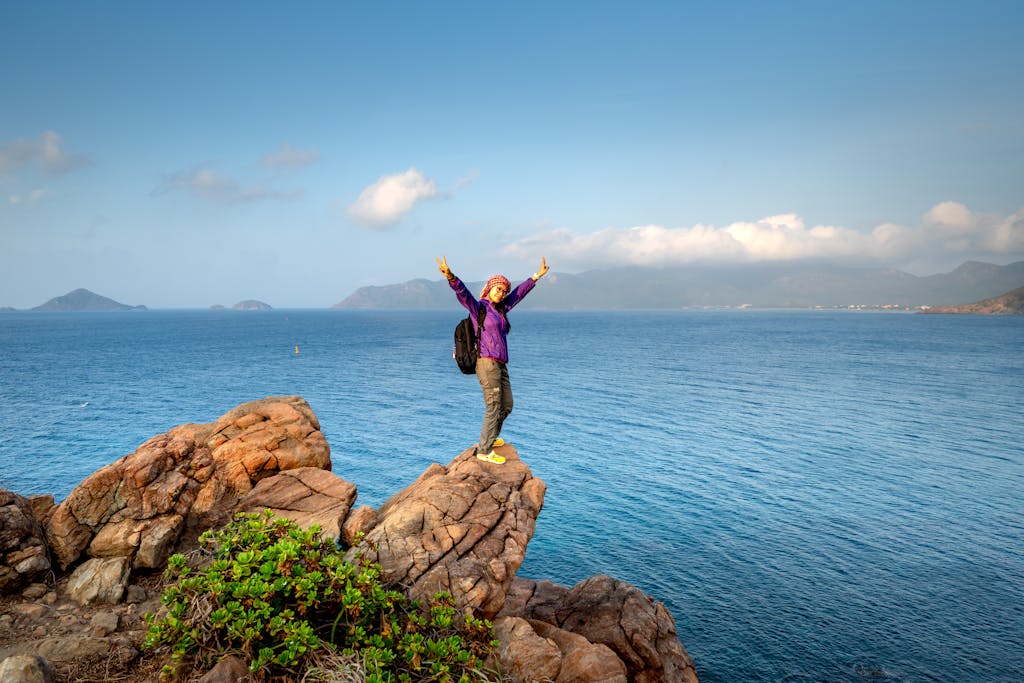
The Benefits of Solo Travel
Before diving into the tips, let’s take a moment to appreciate the unique benefits of traveling alone:
- Freedom and Flexibility: Solo travel allows you to set your own schedule, make spontaneous decisions, and indulge in activities that interest you without needing to accommodate others’ preferences.
- Personal Growth: Traveling alone can boost your confidence and problem-solving skills as you navigate new environments.
- Deepened Cultural Understanding: Without the distractions of familiar company, you may find yourself more open to engaging with locals and immersing yourself in the culture.
Tip 1: Research and Plan Ahead
The key to a successful solo trip lies in thorough research and planning. Understanding your destination’s culture, customs, and logistics not only enhances your experience but also ensures your safety.
Practical Implementation Tips
1. Study the Culture: Learn about local customs, traditions, and etiquette. This understanding will help you interact respectfully with locals.
2. Map Out Your Itinerary: While spontaneity is part of the adventure, having a basic itinerary provides structure and ensures you don’t miss must-see attractions.
3. Research Safety: Check travel advisories and read about safe areas and common scams to avoid.
Real-World Example
Consider Emily, a first-time solo traveler to Japan. She spent weeks researching Japanese customs, such as bowing and removing shoes indoors. Her preparation allowed her to blend in seamlessly and make a positive impression on the locals.

Tip 2: Pack Smart and Light
Packing efficiently is crucial for solo travelers. Since you’ll be responsible for all your belongings, lightening your load makes transportation and mobility significantly easier.
Practical Implementation Tips
1. Choose Versatile Clothing: Pack clothes that can be mixed and matched for different occasions. Opt for comfort and practicality.
2. Limit Valuables: Carry only essential valuables like your passport and credit cards. Keep them secure, and avoid displaying them publicly.
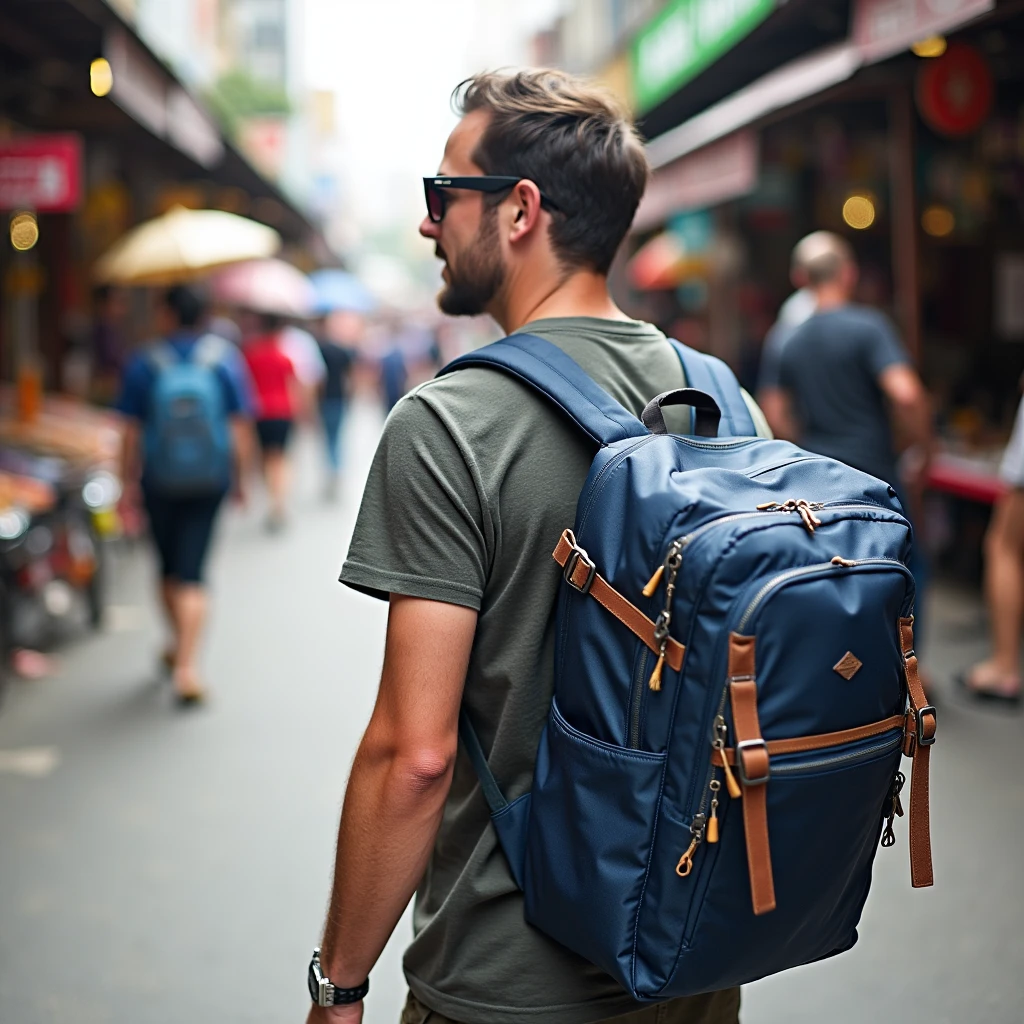
3. Use a Backpack: A sturdy backpack with multiple compartments helps distribute weight evenly and keeps your hands free.
Real-World Example
When John traveled solo to Southeast Asia, he packed a lightweight backpack with essentials like quick-dry clothing, a universal adapter, and travel-sized toiletries. This allowed him to navigate bustling markets and public transport with ease.
Tip 3: Stay Connected
Staying connected is vital for safety and convenience. It allows you to access maps, stay in touch with loved ones, and share your experiences.
Practical Implementation Tips
1. Get a Local SIM Card: Purchase a SIM card upon arrival to access data and make local calls affordably.
2. Download Offline Maps: Use apps like Google Maps offline to navigate without relying on cellular data.
3. Utilize Social Media: Share updates with friends and family to keep them informed of your whereabouts.
Real-World Example
Sarah, a solo traveler in Italy, bought a local SIM card at the airport. This enabled her to use navigation apps and communicate with her host easily, ensuring she reached her accommodation without a hitch.

Tip 4: Engage with Locals and Support Local Businesses
Interacting with locals enriches your travel experience and supports the community. Local businesses often offer unique experiences and authentic products.
Practical Implementation Tips
1. Stay in Local Accommodations: Choose guesthouses or hostels over international chains to contribute to the local economy.
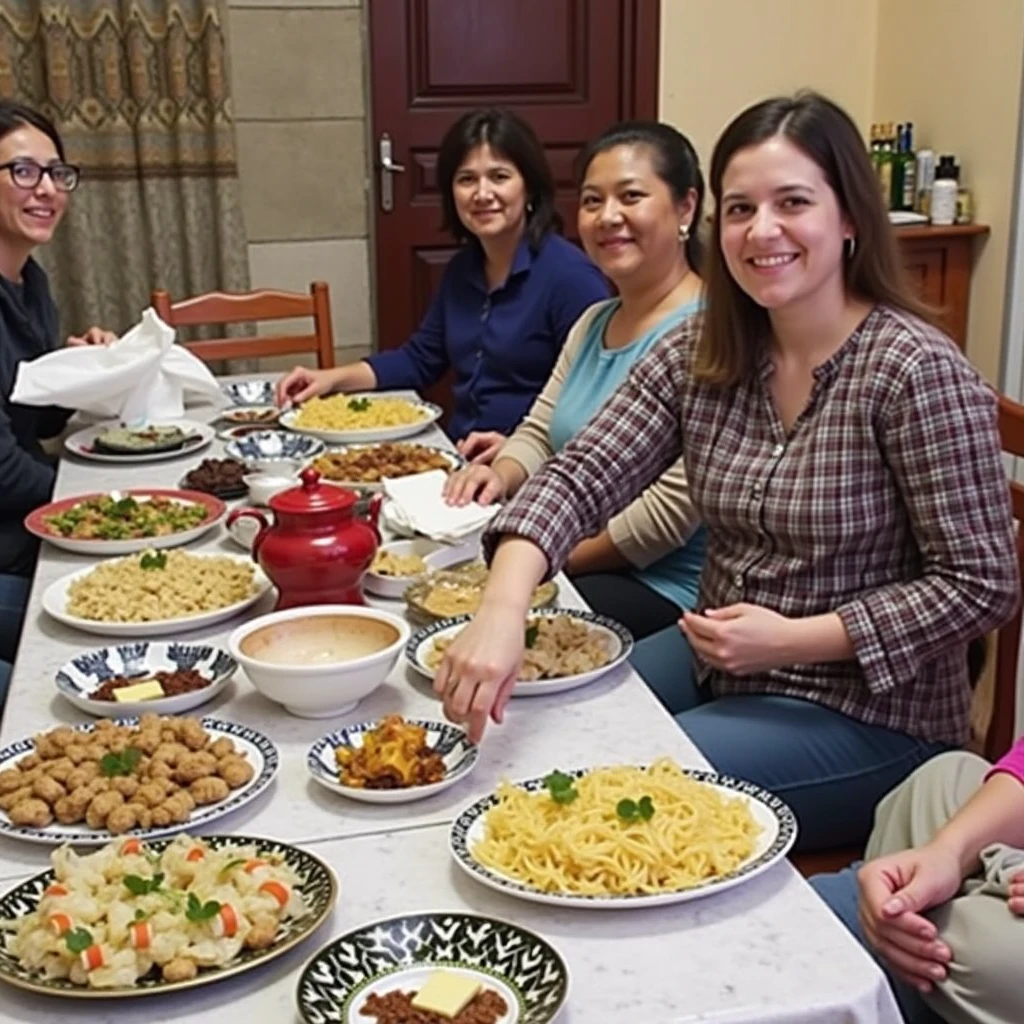
2. Eat at Local Restaurants: Try regional dishes and street food to experience the true flavors of your destination.
3. Join Local Tours: Participate in tours led by local guides for insights that larger tour companies might overlook.
Real-World Example
On her solo trip to Peru, Lisa opted to stay in a family-run guesthouse and took a cooking class with a local chef. She not only learned to make traditional dishes but also formed a meaningful connection with the community.
FAQ
Is solo travel safe for first-timers?
Yes, solo travel can be safe with proper planning and precautions. Researching your destination, staying connected, and maintaining awareness of your surroundings are key to a secure trip.
How do I meet people when traveling alone?
Consider staying in hostels, joining group tours, or attending local events. Engaging with locals and fellow travelers is easier in social settings.
What if I feel lonely on my solo trip?
Loneliness is natural, but it can be mitigated by staying busy with activities, reaching out to fellow travelers, or connecting with loved ones regularly.
Do I need travel insurance?
Yes, travel insurance is highly recommended for all travelers. It covers unexpected events like medical emergencies, trip cancellations, and lost belongings.
Final Thoughts
Solo travel is a transformative experience that offers unparalleled freedom and personal growth. By researching your destination, packing wisely, staying connected, and engaging with local communities, you can ensure a safe and enriching journey. Remember to support local businesses along the way, as your contribution can make a significant impact on the community.
As you prepare for your first solo adventure, ask yourself: What do you hope to gain from this journey? How can you immerse yourself fully in the cultures you encounter? Share your thoughts and experiences below—we’d love to hear from you!