
Traveling the world and embarking on thrilling adventures doesn’t have to drain your bank account. With some savvy planning and a dash of creativity, you can experience the joy of exploration and adventure without breaking the bank. In this guide, we’ll walk you through the essentials of planning a budget-friendly adventure budget family getaways plan a flawless itinerary that guarantees fun and excitement.
Step 1: Define Your Adventure
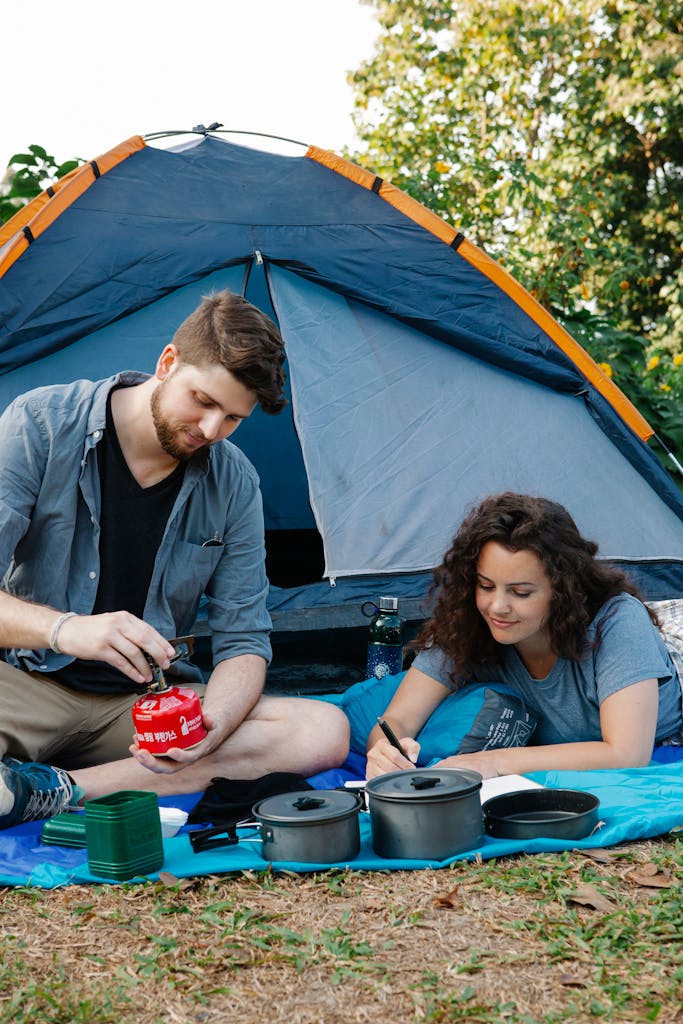
Before you dive into the details, it’s crucial to know what kind of adventure you’re seeking. Are you dreaming of hiking through lush forests, exploring historic cities, or relaxing on sunny beaches? By narrowing down your interests, you can better plan your budget and itinerary.
Types of Adventures to Consider
- Outdoor Adventures: Hiking, camping, and cycling are great for those who love nature.
- Cultural Experiences: Explore museums, historical sites, and local festivals.
- Beach Escapes: Sun, sand, and sea are perfect for relaxation.
- City Explorations: Discover bustling urban areas with rich histories and vibrant cultures.
Step 2: Research Destinations
Once you’ve defined your adventure, it’s time to research destinations that offer what you’re looking for. Opting for less popular locations find hidden gems can often result in significant savings.
Tips for Choosing Budget-Friendly Destinations
- Seek Lesser-Known Gems: Countries in Southeast Asia, Eastern Europe, and Central America offer rich experiences at lower costs.
- Consider Off-Peak Travel discover hidden European spots: Traveling during the shoulder season can save money on flights and accommodations.
- Look for Deals travel responsibly and Discounts: Keep an eye on travel deal websites and sign up for alerts.
Step 3: Plan Your Budget
A well-thought-out budget is essential for any adventure. It helps you prioritize your spending and avoid unexpected expenses.
Step 4: Save on Transportation
Transportation can be one of the most significant expenses on your trip, but there are ways to cut costs without compromising on experience.
Cost-Effective Transportation Tips
- Flights: Use fare comparison tools like Skyscanner or Google Flights to find the best deals. Set up fare alerts to receive notifications about price drops.
- Trains and Buses: In many regions, trains and buses are affordable and provide scenic routes.
- Car Rentals: Consider renting a car if you’re traveling with a group, as the cost can be split among travelers.
- Local Transport: Embrace public transportation or explore on foot to truly immerse yourself in the local culture.
Step 5: Affordable Accommodation

Your accommodation doesn’t need to be lavish to be comfortable and convenient. There are plenty of budget-friendly options that provide a good night’s sleep and a unique experience.
Budget Accommodation Options
- Hostels: Great for meeting fellow travelers and often include communal kitchens.
- Airbnb: Offers a range of options from private rooms to entire homes.
- Couchsurfing: Stay with locals for free and gain insider knowledge of the area.
- Camping: Perfect for outdoor adventures and often available in national parks.
Step 6: Smart Packing
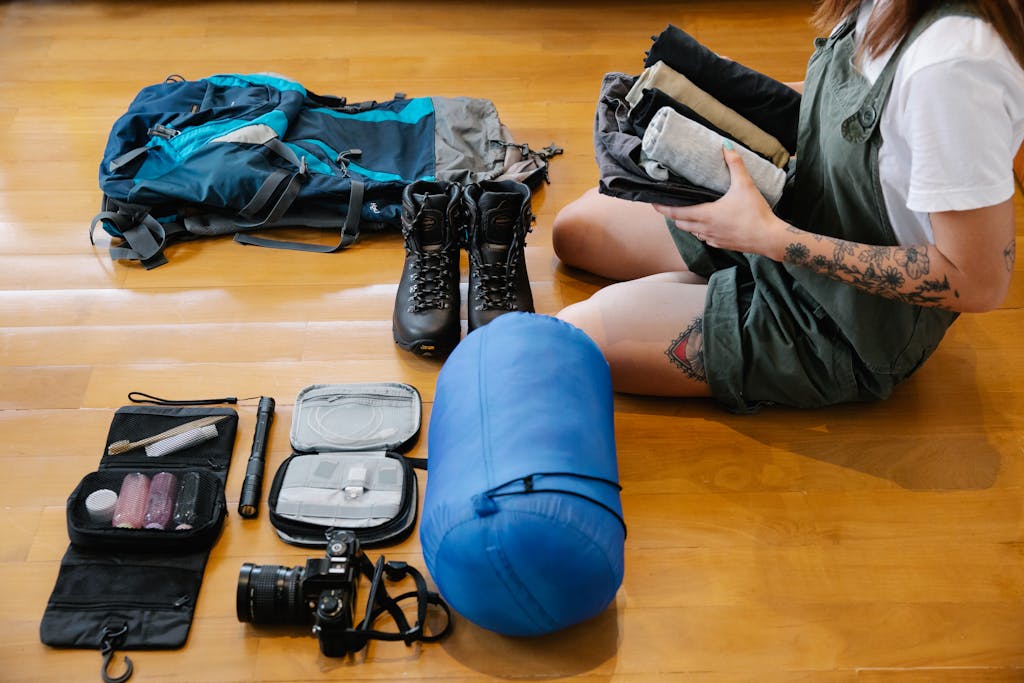
Packing efficiently can save you money on baggage fees and make your travel experience more enjoyable.
Packing Tips for Budget Travelers
- Pack Light: Stick to carry-on luggage to avoid extra fees.
- Versatile Clothing: Choose items that can be mixed and matched.
- Travel Essentials: Bring reusable water bottles, snacks, and a portable charger.
Step 7: Experience Local Culture
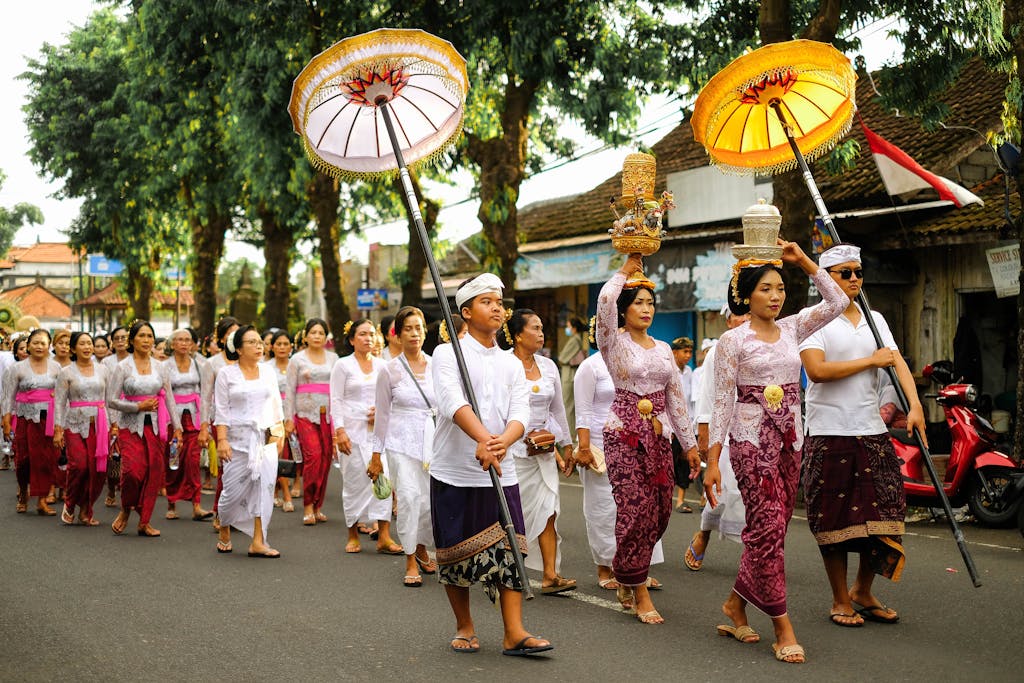
Embrace the local culture to enrich your adventure and make it memorable. This can often be done without spending a fortune.
Ways to Immerse Yourself
Attend Free Events: Look for local festivals, concerts, and community events.
Take Walking Tours. Many cities offer free guided walking tours.
Eat Local: Dine at local eateries, street vendors, and markets.
Step 8: Stay Flexible
Flexibility can lead to unexpected savings and adventures. Being open to changes in your plans can enhance your travel experience.
Benefits of Flexibility
Last-Minute Deals: Keep an eye out for discounted last-minute tours or accommodations.
Spontaneous Adventures: Be open to recommendations from locals or fellow travelers.
Weather Adaptation: If the weather impacts your plans, have alternative activities in mind.
Frequently Asked Questions
What is the best time to travel on a budget?
The best time to travel on a budget is during the shoulder season, which is the period between peak and off-peak seasons. During this time, you can enjoy pleasant weather and fewer crowds, often at a reduced cost.
How can I find cheap flights?
Utilize flight comparison websites like Skyscanner, Google Flights, or Kayak. Be flexible with your travel dates and book in advance to secure the best deals. Consider flying mid-week or during non-peak hours for additional savings.
Are hostels safe for solo travelers?
Yes, hostels are generally safe for solo travelers. Choose hostels with good reviews, lockers for valuables, and reputable management. Engaging with fellow travelers can also enhance your safety.
How can I save money on food while traveling?
Eat where the locals do, avoid touristy restaurants, and explore local markets. If you have access to a kitchen, cooking some meals can also cut costs.
Can you travel with zero accommodation costs?
Yes, through platforms like Couchsurfing or by volunteering with organizations that offer free lodging in exchange for work, such as WWOOFing or Workaway.
Conclusion
Planning a budget-friendly adventure is entirely achievable with a bit of research, flexibility, and an adventurous spirit. By focusing on what truly matters—experiences over luxury—you can explore new places, meet incredible people, and create lifelong memories without the financial strain.
Now you’ve planned and budgeted for your next adventure
Use the booking form below to get the best deals for flights and hotels
Related reading: stay connected affordably
Related reading: ensure travel safety